
Difference between Holism of Jan Smuts and Objectivism of Ayn Rand
There is a deep and fundamental difference between Jan Smuts’ Holism and Ayn Rand’s Objectivism. In many respects they sit at opposite ends of the philosophical spectrum.

Below is a clear, structured comparison, followed by a plain-language summary.
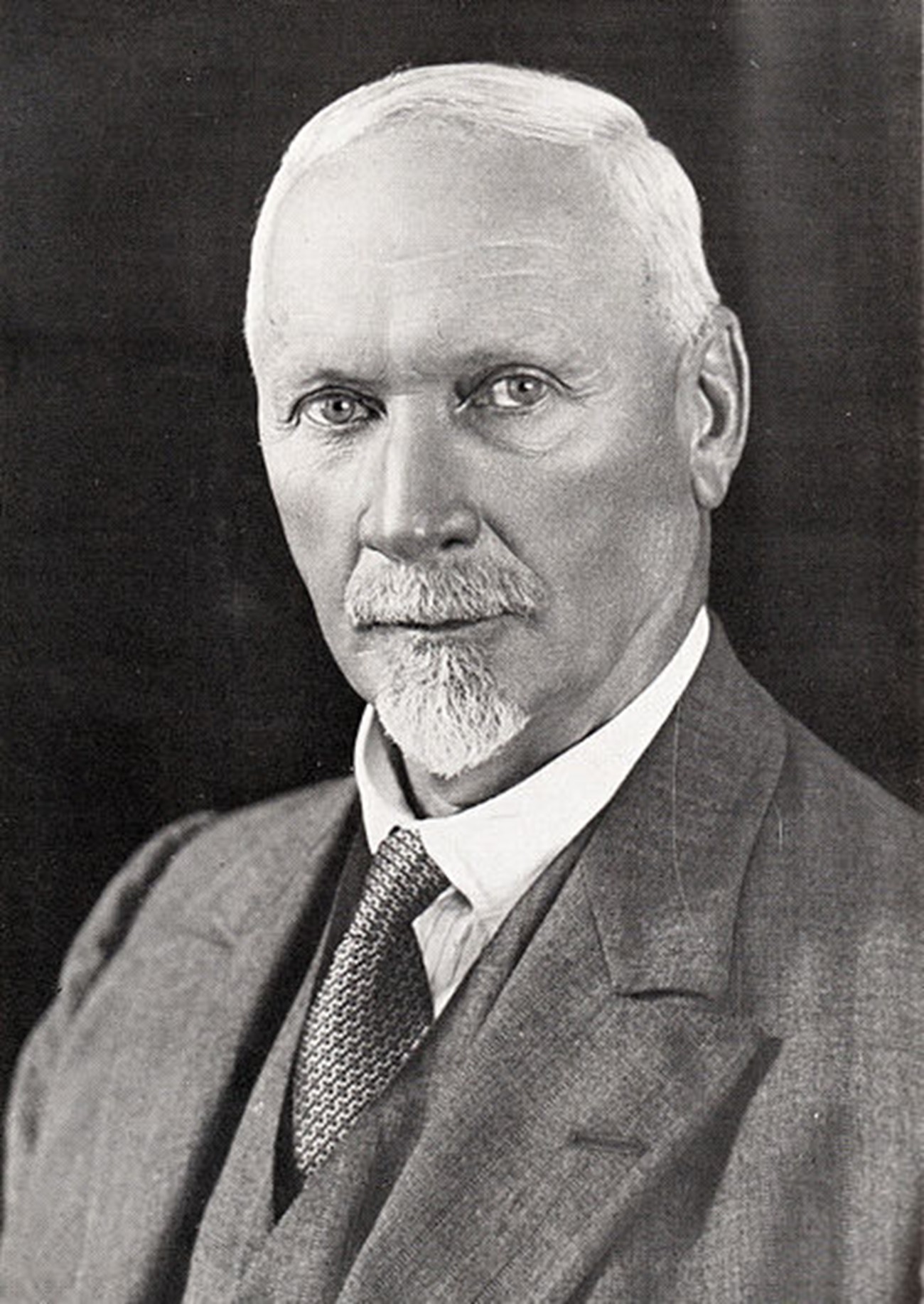
- Jan Smuts’ Holism
Core idea
Reality is made up of wholes that are more than the sum of their parts.
Smuts introduced Holism in Holism and Evolution (1926). He saw nature, mind, society, and politics as organic, evolving systems in which parts gain meaning only within the whole.
Key features
- Organic unity: Individuals, societies, and institutions are interconnected.
- Emergence: Higher forms (life, mind, society) emerge from but are not reducible to parts.
- Evolutionary progress: Wholes tend to grow toward greater complexity and integration.
- Contextual ethics: Moral value is shaped by the needs of the larger system.
View of the individual
- The individual exists within and contributes to larger wholes (family, society, humanity).
- Individual interests may legitimately be balanced against collective or systemic needs.
Political implications
- Supports constitutionalism, international cooperation, and institutions (e.g., Smuts helped found the League of Nations and later the UN).
- Comfortable with state coordination where it serves the health of the whole.
- Ayn Rand’s Objectivism

Core idea
Reality exists independently of consciousness, and the individual rational mind is the primary moral unit.
Objectivism is a system Rand developed across philosophy, ethics, and politics, especially in Atlas Shrugged and The Virtue of Selfishness.
Key features
- Objective reality: Facts exist regardless of beliefs or social systems.
- Reason as absolute: Human reason is the only means of knowledge.
- Ethical egoism: The pursuit of one’s rational self-interest is moral.
- Individual rights: Rights are absolute and non-negotiable.
View of the individual
- The individual is primary and irreducible.
- No person may be sacrificed to a group, system, or “greater good.”
Political implications
- Laissez-faire capitalism.
- Minimal state limited to police, courts, and defense.
- Strong rejection of collectivism, socialism, and welfare statism.
- Head-to-Head Comparison
| Issue | Smuts – Holism | Rand – Objectivism |
| Metaphysics | Reality structured as evolving wholes | Reality is objective and independent |
| Basic unit | The whole (system, organism, society) | The individual |
| Ethics | Contextual, systemic, balancing interests | Absolute individual rights |
| Role of reason | Important but embedded in systems | Supreme and sovereign |
| View of society | Organic, cooperative, evolving | Voluntary association of individuals |
| State | Legitimate coordinator of collective interests | Strictly limited night-watchman state |
| Sacrifice | Sometimes justified for the whole | Never morally justified |
- The Core Philosophical Divide (Plain Language)
- Smuts asks:
How do individuals fit into and strengthen the larger evolving whole? - Rand asks:
How can individuals live freely without being used by others or the state?
In short:
Smuts starts with the whole and works downward.
Rand starts with the individual and refuses to move upward if it violates individual rights.
- Why They Ultimately Clash
From an Objectivist perspective, Holism risks justifying coercion by appealing to “the system,” “society,” or “the greater good.”
From a Holist perspective, Objectivism risks fragmentation, ignoring social cohesion, responsibility, and long-term systemic health.
They differ not just politically, but ontologically and ethically.
- One-Sentence Summary
Smuts’ Holism sees individuals as parts of evolving wholes; Rand’s Objectivism sees wholes as nothing more than voluntary arrangements among sovereign individuals.
Another question:
- relate this contrast to South African constitutional thinking,
- compare both to liberalism or communitarianism, or
- map them onto modern labour-law or constitutional rights debates.
These three lenses actually illuminate one another, especially in a South African legal and constitutional context. I’ll keep it structured, precise, and practical, in the style you prefer.
- South African Constitutional Thinking
(Holism vs Objectivism vs SA Constitutionalism)
South Africa’s Constitution is neither Randian nor purely Smutsian, but it is closer to Smuts’ holism, tempered by strong individual-rights guarantees.
Where Smuts’ Holism aligns with SA constitutionalism
- Foundational values: dignity, equality, freedom within a social context.
- Rights are not absolute — they may be limited under s 36 if reasonable and justifiable.
- Emphasis on:
- Ubuntu
- Social solidarity
- Transformative constitutionalism
- Courts frequently speak of:
- Balancing
- Proportionality
- Context
- Systemic impact
This is classic holist reasoning: the individual is important, but embedded in a broader constitutional project.
Where Rand’s Objectivism conflicts
- Rand rejects:
- Socio-economic rights (housing, health care, education)
- Redistribution
- Balancing individual rights against collective goals
- SA constitutional law routinely:
- Justifies limits on property (s 25)
- Accepts affirmative action (s 9(2))
- Imposes duties on the state to realise social goods
A pure Objectivist constitution would reject most of this.
Bottom line (SA context)
South African constitutionalism is holist with rights, not rights without context.
- Comparison with Liberalism and Communitarianism
(Placing Smuts and Rand on the philosophical map)
Think of a spectrum, not a binary.
Rand (Objectivism) → Classical Liberalism → Constitutional Liberalism → Communitarianism → Strong Holism
Objectivism (Rand)
- Individual = moral atom
- Society = voluntary arrangement only
- Rights = absolute
- State = minimal
Very few modern democracies operate here.
Classical Liberalism (Locke, Mill)
- Individual rights are primary
- State exists to protect liberty
- Still allows:
- Some regulation
- Harm principle
- Public goods
Many common-law principles come from here.
Constitutional Liberalism (modern SA, Germany)
- Rights + limitations
- Dignity as a relational concept
- Courts balance competing interests
- State has positive duties
This is where South Africa sits.
Communitarianism (Taylor, Sandel)
- Identity shaped by community
- Moral reasoning is contextual
- Suspicious of radical individualism
Holism (Smuts)
- Goes further than communitarianism:
- Society is an organism
- Individuals derive meaning from wholes
- Evolutionary, systemic thinking
Key distinction
- Communitarians still protect individuals strongly.
- Holists are more willing to prioritise systemic coherence over individual preference.
- Application to Labour Law & Constitutional Rights
(Where this really becomes concrete)
This is where ongoing work in labour law fits perfectly.
- Labour Law: Why SA is Holist, Not Objectivist
South African labour law is explicitly anti-Objectivist.
Holist features
- Purpose of the LRA:
- Labour peace
- Social justice
- Economic development
- Dismissals assessed not only on:
- Individual fault
- But also:
- Workplace harmony
- Operational impact
- Fairness to both sides
The “three-interest framework” fits squarely here:
- Employee interests
- Employer interests
- Operational/systemic interests
That is holism in action.
- Insubordination / Insolence (philosophical subtext)
Objectivist instinct
- “I have autonomy.”
- “I owe no obedience beyond my contract.”
- Authority is inherently suspect.
Holist / labour-law approach
- The workplace is a cooperative system.
- Authority exists for coordination.
- Discipline is assessed in context:
- Intent
- Impact
- Proportionality
- Breakdown of trust
This explains why:
- Insolence ≠ insubordination
- Dismissal requires serious, wilful defiance
- Progressive discipline matters
- Rights Limitation (s 36) — The Philosophical Core
Section 36 is unthinkable in Objectivism.
It is central to Holism.
Courts ask:
- Is the limitation reasonable?
- Is it justifiable in an open and democratic society?
- Are less restrictive means available?
This is:
Rights within a living constitutional system, not rights as trumps.
- A Practical Synthesis (How Courts Actually Think)
South African courts do not say:
- “The collective always wins” (hard holism), nor
- “The individual always wins” (Objectivism)
They say:
“What outcome best preserves human dignity within a functioning constitutional order?”
That sentence is Smutsian in structure, even if modern courts would never call it that.
- Final One-Paragraph Takeaway
- Rand offers a powerful warning against coercion and moral sacrifice.
- Smuts offers a framework for understanding complexity, interdependence, and social evolution.
- South African law adopts a holist constitutional model with strong individual safeguards, rejecting absolute individualism but also rejecting brute collectivism.
Or, put crisply:
Rand asks whether society may limit the individual.
Smuts asks whether the individual may weaken the whole.
South African law asks how both can survive with dignity.
Further question:
Contrast this with UK or US labour jurisprudence for comparative purposes.
A comparative labour-law perspective focusing on the philosophical roots, systemic reasoning, and practical consequences.
- South Africa vs UK & US: Philosophical Underpinnings
| Feature | South Africa (LRA / Constitutional) | UK (Employment Law / Common Law) | US (Employment-at-Will / EEOC Framework) |
| Philosophy | Holist-constitutional: rights balanced with systemic/operational interests | Classical liberalism + pragmatic common law: individual rights shaped by contracts, reasonable fairness | Objectivist-leaning / classical liberal: individual contractual autonomy, minimal systemic duties |
| Core unit | Individual embedded in workplace/system | Individual & contractual relationship | Individual, employer as private actor |
| Reasoning style | Contextual, proportionality, fairness, balancing | Case-by-case, precedent-driven, emphasis on contractual obligations | Atomistic: “What does the contract or statute allow?”; less holistic consideration |
| Role of law | Promote social justice, transformation, labour peace | Prevent unfair treatment, enforce contracts | Protect minimal rights (anti-discrimination), but largely laissez-faire |
| State / Tribunal role | Active: CCMA, Labour Court enforce fair processes, mediate disputes | Passive: Employment tribunals, courts enforce statutory and contractual rights | Minimal: courts enforce EEOC-type rights, usually defer to employer discretion |
- Key Areas of Divergence in Practice
- Dismissal / Fairness
| Aspect | SA (Holist) | UK | US |
| Reason for dismissal | Must be fair and substantively justified; procedural fairness required | “Unfair dismissal” protections apply after qualifying period; reasonableness assessed | “At-will” presumption: employer can dismiss for any reason unless illegal (e.g., discrimination, retaliation) |
| Procedure | Procedurally fair hearing often required; CCMA can award remedies | ACAS code encourages fair hearings; tribunals review procedural fairness | Limited procedural requirements; generally internal HR discretion; courts rarely second-guess |
| Remedy | Reinstatement or compensation; proportionality considered | Compensation / tribunal awards; reinstatement rare | Typically damages only if illegal; reinstatement rare; remedies limited |
- Insubordination / Insolence
| Aspect | SA | UK | US |
| Assessment | “Three-interest framework”: employee, employer, operational interests | Courts assess reasonableness of employer’s reaction | Employer discretion dominates unless discrimination or contract violation |
| Systemic consideration | Central: workplace harmony & societal values matter | Some consideration, but employer prerogative strong | Almost entirely ignored; focus on individual contract & statutory protections |
| Typical outcome | Dismissal can be unfair if procedural missteps or disproportionate | Tribunal may reduce award for procedural unfairness; dismissal often upheld if reason exists | Employer usually wins unless statutory protection triggers |
- Underlying Philosophical Contrast
- South Africa = Smutsian holism
- Balance individual and systemic interests
- Labour law is transformative, context-driven
- CCMA / Labour Court actively shape outcomes
- UK = somewhere between holism & Objectivism
- Procedural fairness exists, but employer autonomy respected
- Rights are contractual & statutory
- Tribunal decisions often pragmatic
- US = Randian Objectivism (more or less)
- Strong individual autonomy; employer can largely act freely
- Limited statutory constraints
- Collective or societal interests rarely considered in employment decisions
In plain language: SA labour law asks “how do we protect the individual and the workplace system?”
UK law asks “was the dismissal reasonable and procedurally fair?”
US law asks “does the employer violate the law? If not, they can fire.”
- Practical Implications for HR / Legal Practice
- SA: Always prepare for balancing tests, documenting both the employee’s behaviour and operational needs; CCMA will weigh both.
- UK: Focus on procedural fairness; reason for dismissal must be fair and applied consistently.
- US: Focus on statutory compliance (discrimination, retaliation); procedural fairness is largely an internal HR concern.
- One-Sentence Synthesis
South Africa’s labour jurisprudence is holist, rights-conscious, and systemic, UK law is procedural and reasonableness-focused, while US law is atomistic and employer-leaning, reflecting Objectivist principles.
A simple visual spectrum diagram showing SA / UK / US labour law mapped against Holism → Objectivism, which is very useful for teaching or reports.